

Most personal injury cases are not won or lost in the courtroom, they are won or lost in the medical records. For Houston personal injury attorneys, the difference between a smooth settlement and a frustrating dispute often comes down to one question: did the treating provider understand the legal weight of their documentation? When chiropractic care is handled correctly from day one, it strengthens causation, supports injury legitimacy, and reduces insurance pushback. When it is not, even valid cases become vulnerable. That is why the chiropractor you align with in Kingwood matters far more than most attorneys realize.
Quick Insights
- Personal injury attorneys need chiropractic providers who understand documentation, causation, and case timelines
- Chiropractic care plays a critical role in conservative injury management for auto accident cases
- Proper medical records strengthen injury claims, settlements, and courtroom credibility
- Communication between attorney and provider reduces delays and case friction
- Local collaboration between Kingwood chiropractors and Houston PI attorneys benefits clients and outcomes
Key Takeaways
- Attorneys benefit most from chiropractors who specialize in trauma and accident-related injuries
- Accurate diagnosis, consistency of care, and objective findings are essential in PI cases
- Chiropractic records must clearly establish mechanism of injury and medical necessity
- Attorneys working with experienced chiropractors often see smoother case progression
- Local provider relationships improve trust, efficiency, and long-term professional partnerships
Why It Matters
For personal injury attorneys, medical care is not just about treatment. It is about documentation, credibility, and defensibility. When a chiropractor understands the legal realities of injury cases, attorneys gain a medical partner instead of a liability. That distinction can influence case value, settlement leverage, and trial readiness.
Introduction
Houston personal injury attorneys manage a complex balancing act. They advocate for injured clients while navigating insurance carriers, medical records, timelines, and evidentiary standards. One of the most overlooked variables in case success is the quality of conservative medical care, particularly chiropractic care, following a motor vehicle collision.
A chiropractor who understands injury mechanics, clinical progression, and legal documentation can significantly strengthen a personal injury case. Conversely, inconsistent treatment, poor recordkeeping, or unclear medical necessity can weaken even legitimate claims.
For Houston PI attorneys representing clients in Kingwood, Humble, New Caney, Atascocita, Porter, and Northeast Houston, working with a chiropractor who understands the legal side of injury care is not optional. It is essential.
Tyler Hamel DC, FPSC, (C)
As a chiropractor with over two decades of experience treating auto accident injuries, I have worked alongside Houston personal injury attorneys long enough to understand what they actually need from a healthcare provider.
Attorneys are not looking for exaggerated findings or inflated care plans. They want consistency, clarity, defensibility, and communication. They want a provider who understands how injuries evolve, how documentation will be scrutinized, and how treatment decisions may impact a case months or even years later.
For over 25 years, at Kingwood Chiropractic Spine and Injury Center, my role is not only to treat injured patients, but to serve as a reliable clinical partner for attorneys who want their clients properly evaluated, conservatively managed, and medically supported.
The Role of Chiropractic Care in Personal Injury Cases
Chiropractic care is often the first line of conservative treatment following a motor vehicle collision. Soft tissue injuries, joint dysfunction, disc pathology, and biomechanical instability frequently do not require surgery, but they do require skilled clinical management.
From an attorney perspective, chiropractic care serves several critical purposes:
- Establishes early documentation of injury
- Demonstrates consistency of symptoms and functional limitation
- Provides objective findings through exam, imaging, and outcome measures
- Supports medical necessity for ongoing care or referral
When performed correctly, chiropractic care complements imaging, orthopedic consultation, and pain management without overstepping scope or credibility.
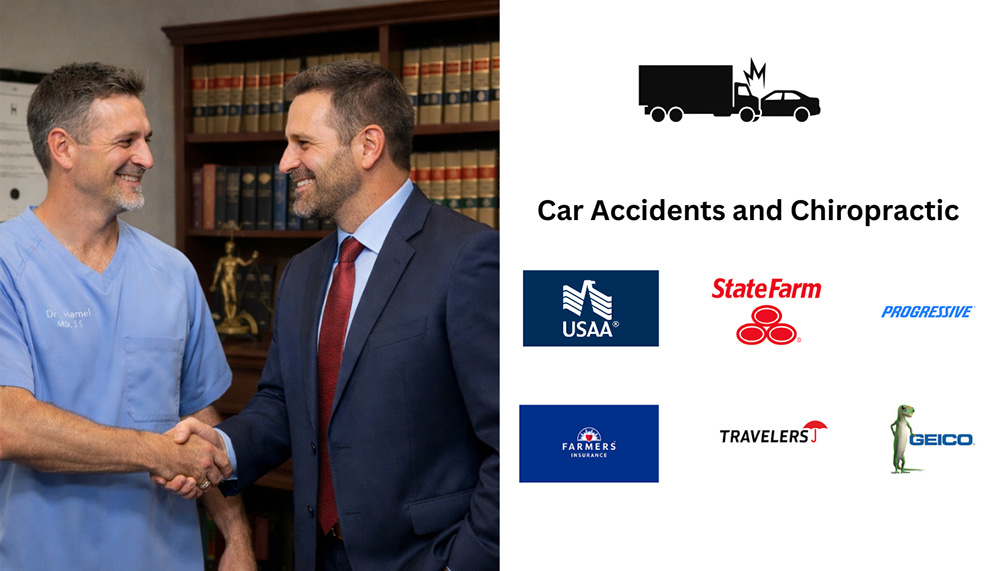
What Attorneys Should Expect from a Trauma-Focused Chiropractor
Not all chiropractors are appropriate for personal injury cases. Attorneys benefit from working with providers who:
- Perform thorough initial evaluations
- Document mechanism of injury clearly
- Understand delayed symptom presentation
- Reassess findings throughout care
- Release patients appropriately when improvement plateaus
A trauma-focused chiropractor understands that more care is not always better care. Appropriate discharge, referral, or co-management protects both the patient and the case.
Documentation That Supports Legal Scrutiny
One of the most common frustrations attorneys face is poor medical documentation. In personal injury cases, chiropractic notes must do more than satisfy insurance billing requirements.
Effective PI documentation includes:
- Clear history tied to the accident
- Consistent subjective complaints
- Objective exam findings that evolve logically
- Rationale for treatment frequency and duration
- Measurable improvement or documented plateau
- When records tell a clear clinical story, attorneys spend less time chasing addendums and more time advancing the case.
Communication Between Attorney and Provider
The strongest attorney-provider relationships are built on communication. This does not mean inappropriate influence over treatment decisions. It means professional clarity.
Attorneys should expect chiropractors to:
- Respond to record requests promptly
- Provide narrative reports when appropriate
- Clarify clinical findings without speculation
- Coordinate referrals when indicated
At the same time, chiropractors benefit from understanding case timelines, deposition schedules, and settlement expectations so documentation aligns with legal realities.
Local Collaboration Matters
For Houston attorneys, working with a local Kingwood chiropractor offers advantages that out-of-area clinics cannot replicate. Local providers understand regional accident patterns, commute routes, and the practical challenges injured clients face.
Local collaboration also fosters long-term professional relationships built on trust rather than transactional referrals. Over time, attorneys come to know which providers are consistent, ethical, and dependable.
How Chiropractic Care Impacts Case Value
While chiropractors do not determine settlement amounts, quality care and documentation influence case strength. Consistent conservative care can:
- Validate injury severity
- Support future medical considerations
- Reduce insurer arguments of overtreatment
- Strengthen credibility in mediation or trial
Attorneys who align with experienced chiropractors often report fewer disputes over medical necessity and fewer surprises during case review.

Conclusion
Personal injury cases succeed when medical care and legal strategy align without compromising ethics or credibility. Chiropractors who understand trauma, documentation, and professional boundaries become assets rather than obstacles.
For Houston personal injury attorneys representing clients in Kingwood and surrounding areas, partnering with a chiropractor who respects both clinical standards and legal realities can make a measurable difference in case outcomes.
If you are a Houston personal injury attorney looking for a reliable chiropractic provider in Kingwood who understands trauma care, documentation standards, and the legal realities of injury cases, Kingwood Chiropractic Spine and Injury Center is available to support your clients with consistent, defensible care. To discuss referral coordination, documentation needs, or collaborative case management, contact our office directly or reach out to schedule a professional consultation at 281-360-8387.
At Kingwood Chiropractic Spine and Injury Center, the goal is simple: provide defensible, patient-centered care that supports both recovery and resolution.
FAQ
1. How soon after an accident should a client see a chiropractor?
From both a clinical and legal standpoint, evaluation should occur as soon as possible, ideally within the first few days after the accident. Early chiropractic assessment establishes baseline findings, documents the mechanism of injury, and reduces insurer arguments that symptoms are unrelated or pre-existing. Delays in care are one of the most common issues insurance carriers use to challenge causation.
2. Can chiropractic care continue after imaging reveals a disc herniation?
Yes, when clinically appropriate. Many disc herniations respond well to conservative chiropractic care, especially when neurological deficits are absent or stable. Documentation should clearly reflect imaging findings, symptom correlation, functional limitations, and patient tolerance to care. Chiropractic treatment often helps manage pain, improve mobility, and avoid unnecessary escalation to invasive procedures.
3. What makes chiropractic documentation defensible in court?
Defensible documentation is consistent, objective, and clinically logical. Records should clearly connect the accident mechanism to exam findings, outline the rationale for treatment, document patient response over time, and reflect appropriate reassessment. Overstatement, speculative language, or excessive treatment without justification weakens credibility and invites scrutiny.
4. How does a chiropractor determine when to discharge a PI patient?
Discharge decisions are based on clinical outcomes, not legal timelines. Patients are released when functional improvement stabilizes, symptoms plateau, or maximum therapeutic benefit has been reached. When further care is no longer medically necessary, appropriate discharge or referral protects both the patient and the integrity of the case.
5. Can chiropractic care coexist with orthopedic or pain management treatment?
Yes. Co-management is common in personal injury cases and often improves outcomes when roles are clearly defined. Chiropractic care frequently addresses biomechanical dysfunction and mobility, while orthopedic or pain management providers handle imaging interpretation, injections, or surgical consultation when indicated. Clear documentation prevents overlap or redundancy.
6. What should attorneys look for in a chiropractic narrative report?
A strong narrative report includes a concise accident history, clear injury diagnoses, objective findings, course of treatment, patient response, and current clinical status. It should avoid speculation, exaggeration, or legal conclusions, and instead present medical facts in a clear, professional manner that aligns with the full chart.
7. How does working with a local Kingwood chiropractor benefit Houston attorneys?
Local chiropractors offer accessibility, accountability, and familiarity with regional accident patterns and referral networks. Proximity allows for easier communication, timely record retrieval, and consistent care delivery. Long-term local partnerships also build trust, reducing uncertainty and inefficiency across multiple cases.